Our activities
Drawing on its extensive field experience, Acted US is deeply committed to the “first mile” of humanitarian action. True to its mission of responding where needs are greatest, the organization deploys its teams to the most remote and hard-to-reach areas, often overlooked by other actors. This proximity-based approach makes Acted a key player in humanitarian response, combining agility, local engagement, and a focus not only on immediate relief but also on long-term sustainable development, ensuring that affected communities are supported well beyond the emergency phase.
Our current focus includes:
Acted US in Darfur
Sudan is experiencing one of the world’s most severe humanitarian catastrophes. Since conflict erupted between the Sudanese Armed Forces (SAF) and the Rapid Support Forces (RSF) in April 2023, the country has descended into a devastating crisis affecting millions of people.
The conflict has triggered the world’s largest displacement crisis:
- Over 12 million people have been forcibly displaced since the conflict began
- Nearly 9 million are internally displaced within Sudan
- More than 3 million have fled to neighboring countries
- Over 25 million people face acute food insecurity
- Famine conditions have been confirmed in parts of North Darfur
The humanitarian situation continues to deteriorate. Basic services have collapsed across much of the country. Vaccination rates have plummeted. Violence—including widespread sexual violence—continues to devastate communities. Access to food, water, and healthcare remains critically limited.
The Darfur region has been among the hardest hit by the conflict. The five states of Darfur—North, South, East, West, and Central—face some of the most acute humanitarian needs in the country.
North Darfur has experienced particularly severe conditions:
- Famine conditions confirmed in displacement camps including Zamzam camp
- Prolonged siege and conflict around El Fasher, the state capital
- Mass displacement from urban and rural areas
- Severe constraints on humanitarian access
Key humanitarian indicators in Darfur:
- Malnutrition rates exceeding emergency thresholds
- Limited functioning health facilities
- Widespread destruction of water infrastructure
- Ongoing protection concerns, particularly for women and children
Responding to the urgent needs of populations affected by the crisis, Acted US is mobilizing to deliver humanitarian assistance in Darfur, with a focus on the most vulnerable and hardest-to-reach communities.
Proximity to affected populations: We establish presence as close to affected communities as possible, building trust and enabling rapid response to evolving needs.
Integrated programming: We address interconnected needs through multi-sector interventions, recognizing that effective humanitarian response requires addressing WASH, cash, protection, and site management together.
Partnership with local actors: We work with local organizations and community structures to ensure our response is contextually appropriate and contributes to local capacity.
Principled humanitarian action: We operate in accordance with humanitarian principles—humanity, neutrality, impartiality, and independence—enabling us to access populations in need regardless of the political context.
WASH (Water, Sanitation, and Hygiene)
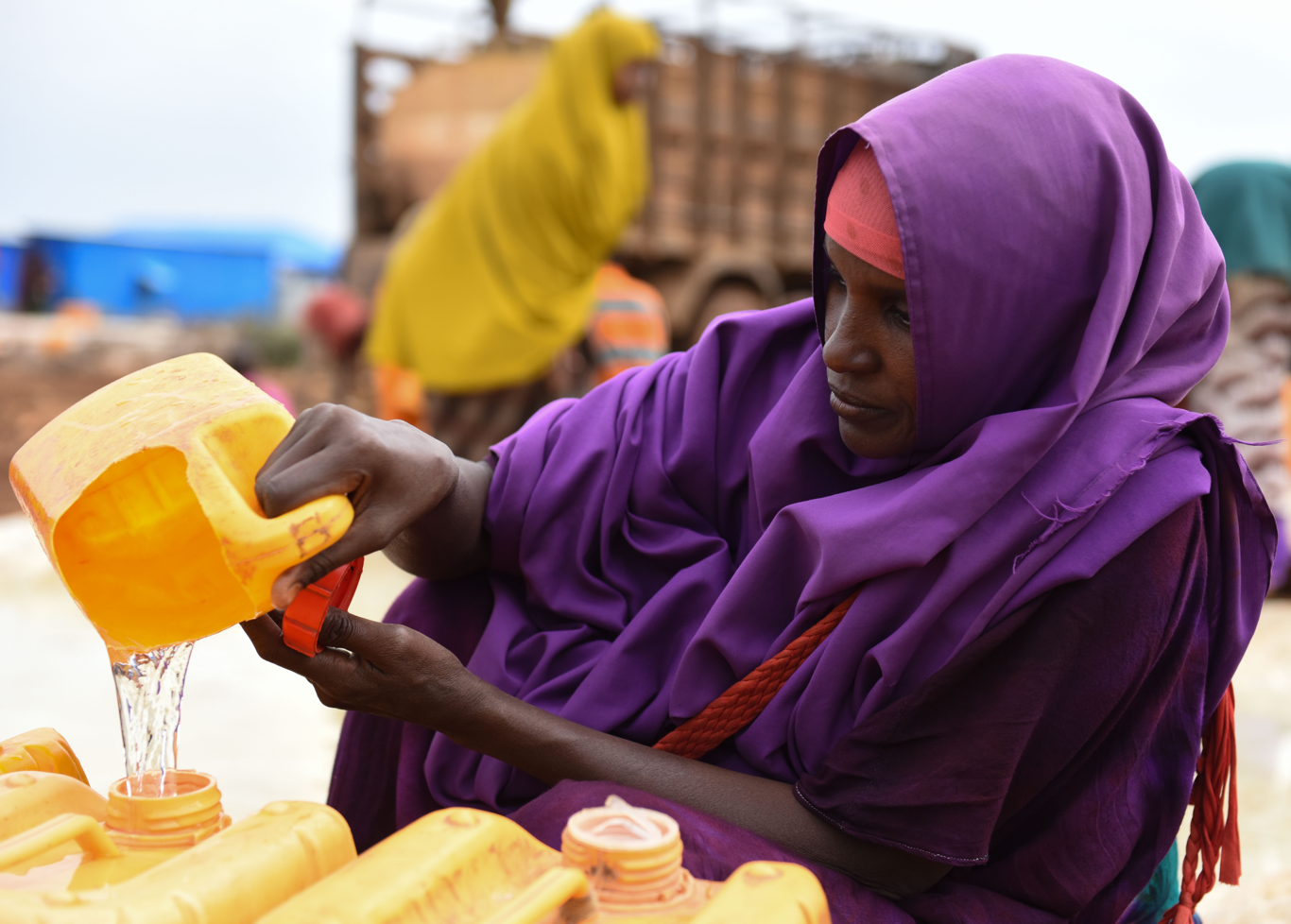
Access to safe water and adequate sanitation is critical in displacement settings where overcrowding and inadequate infrastructure create conditions for disease outbreaks.
Our WASH activities include:
- Water point rehabilitation: Repairing and restoring damaged boreholes and water systems to provide safe drinking water to displaced communities
- Emergency water supply: Water trucking to areas where infrastructure has been destroyed or is inaccessible
- Sanitation infrastructure: Construction of emergency latrines in displacement sites to prevent open defecation and reduce disease transmission
- Hygiene promotion: Community awareness campaigns on handwashing, safe water storage, and disease prevention
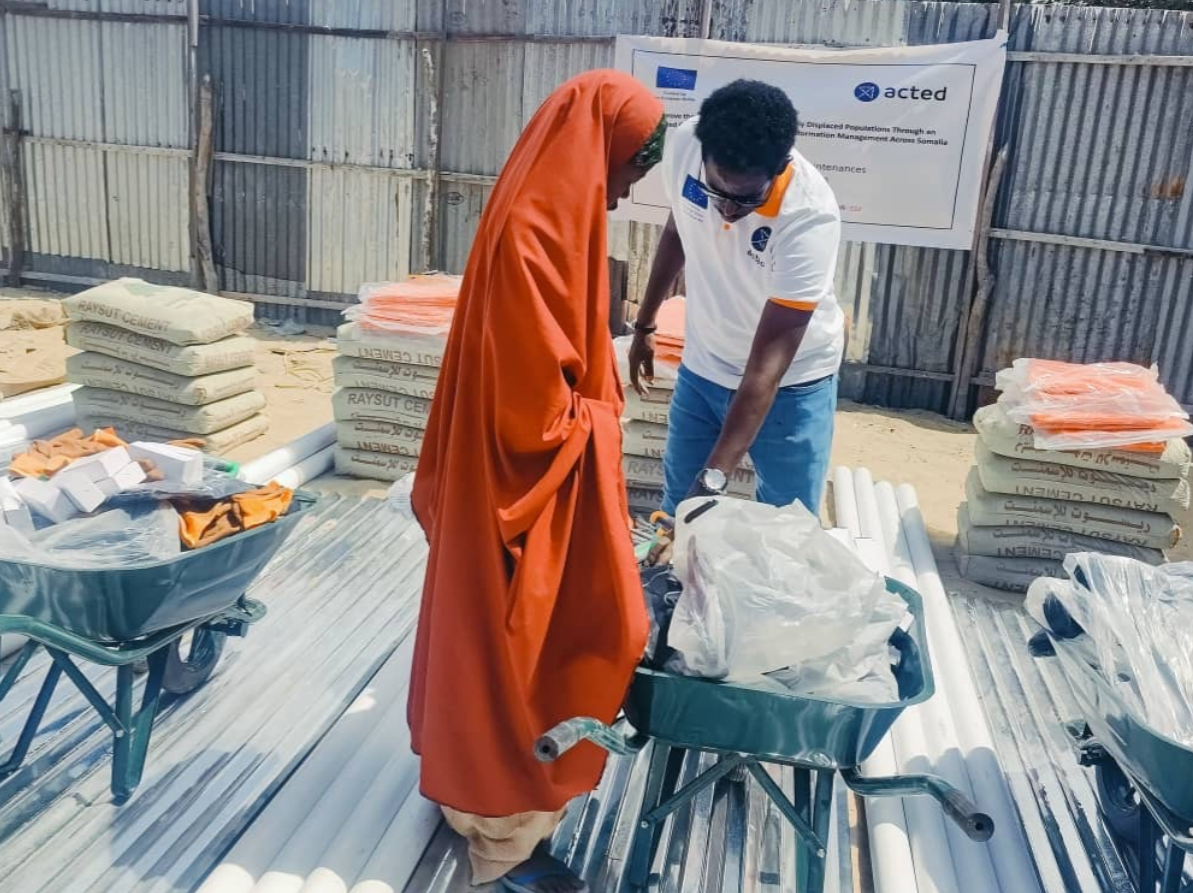
- Hygiene kit distribution: Provision of essential hygiene items including soap, water containers, and menstrual hygiene supplies
Target: Ensuring access to minimum Sphere standards—at least 15-20 liters of safe water per person per day and adequate sanitation facilities.
Cash Assistance
Cash assistance empowers displaced families to meet their most pressing needs with dignity and choice. In contexts where markets are functioning, cash is often the most efficient and appropriate form of assistance.
Our cash programming includes:
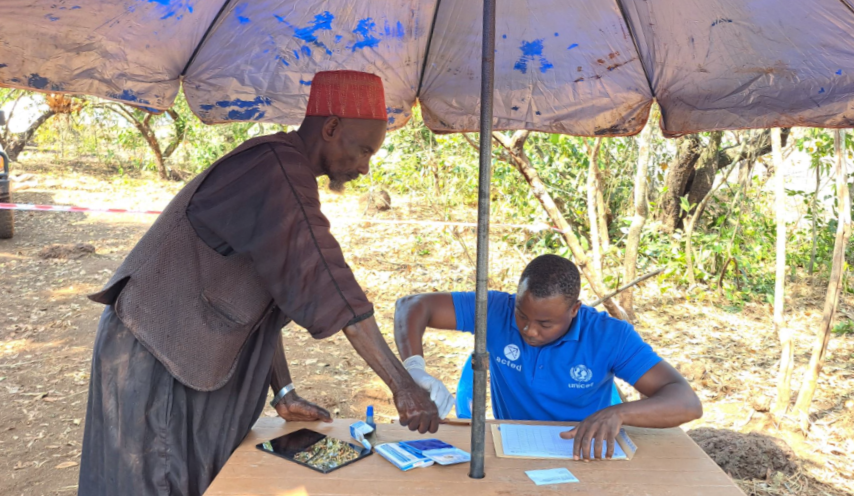
- Multi-purpose cash assistance (MPCA): Unrestricted cash transfers allowing families to prioritize their own needs, whether food, healthcare, shelter materials, or other essentials
- Market monitoring: Regular assessment of market functionality, price trends, and availability of essential goods
- Financial service provider partnerships: Working with local financial institutions and mobile money providers to ensure safe and efficient transfer mechanisms
- Protection-sensitive distribution: Designing distribution modalities that minimize protection risks, particularly for women and other vulnerable groups
Benefits of cash assistance:
- Respects dignity and choice of affected populations
- Supports local markets and economic recovery
- Reduces need for risky travel to distribution sites
- Enables families to address diverse and changing needs
Site Management
With millions displaced into camps, informal settlements, and host communities, effective site management is essential to ensure safety, dignity, and equitable access to services.
Our CCCM activities include:
- Site planning: Working with communities and authorities to organize displacement sites for safety, accessibility, and efficient service delivery
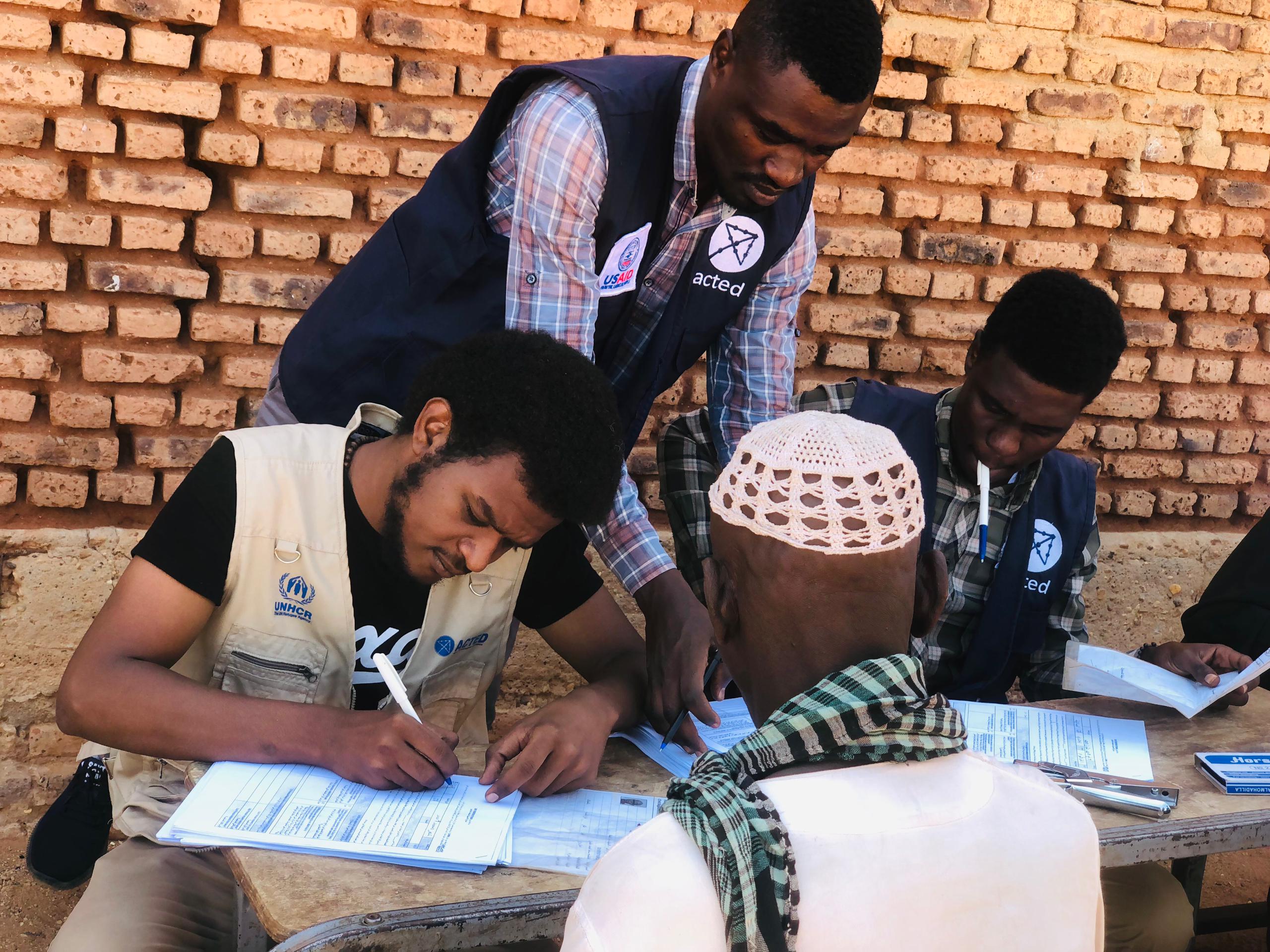
- Population tracking: Registering households to understand population movements, identify vulnerabilities, and ensure equitable resource distribution
- Service coordination: Mapping available services, identifying gaps, and coordinating with humanitarian partners to ensure comprehensive coverage
- Community governance: Supporting the establishment of representative community structures that give displaced populations voice in decisions affecting their lives
- Information management: Maintaining accurate data on displacement trends, needs, and service coverage to inform the broader humanitarian response
Coordination role: Site management serves as a coordination function, ensuring that the multiple actors providing assistance work together effectively to meet the needs of displaced populations
Protection
Protection is at the center of our response. All displaced persons have the right to safety, dignity, and respect for their human rights.
Our protection activities include:
- Protection mainstreaming: Ensuring all our activities—WASH, cash, CCCM—are designed and implemented in ways that do not cause harm and actively reduce protection risks
- Community awareness: Raising awareness of rights, available services, and reporting mechanisms for violence and abuse
- Referral pathways: Establishing and supporting referral systems so that survivors of violence can access appropriate services
- Psychosocial support: Community-based activities that support mental health and help communities cope with the trauma of displacement and conflict
- Vulnerable group support: Targeted assistance for the most vulnerable, including unaccompanied children, elderly persons, persons with disabilities, and survivors of violence
Focus on Gender-Based Violence: Women and girls face heightened risks in the Sudan crisis. Our programming prioritizes GBV prevention and ensures that survivors can access support services safely and confidentially.
Acted US’s initial response focuses on Darfur, where humanitarian needs are most acute and access most constrained.
Priority areas:
- Displacement sites in and around urban centers
- Communities hosting large numbers of displaced persons
- Areas with limited humanitarian presence
Our geographic targeting is based on:
- Severity of humanitarian needs
- Gaps in current humanitarian coverage
- Feasibility of access and operations
- Potential for meaningful impact
Access and Acceptance
Operating in Darfur requires careful navigation of a complex and volatile environment. Our approach is built on:
- Acceptance: Building trust with communities and all parties through transparent, principled, and consistent humanitarian action
- Flexibility: Adapting our operations to the changing security and access environment
- Local partnerships: Working with local organizations that have established presence and relationships
- Coordination: Engaging with humanitarian coordination mechanisms to ensure complementarity and avoid duplication
Accountability
We are accountable to the communities we serve:
- Feedback mechanisms: Accessible channels for community members to provide feedback, ask questions, and raise concerns
- Community participation: Involving affected populations in program design, implementation, and monitoring
- Transparency: Clear communication about what we can and cannot provide
- Responsive programming: Adapting our activities based on community feedback and changing needs
Monitoring & Evaluation
We monitor our programs to ensure quality and impact:
- Output monitoring: Tracking what we deliver (water points repaired, cash distributed, sites managed)
- Outcome monitoring: Assessing whether our activities are achieving intended results
- Protection monitoring: Identifying and responding to protection concerns
- Learning: Documenting lessons learned to improve our response
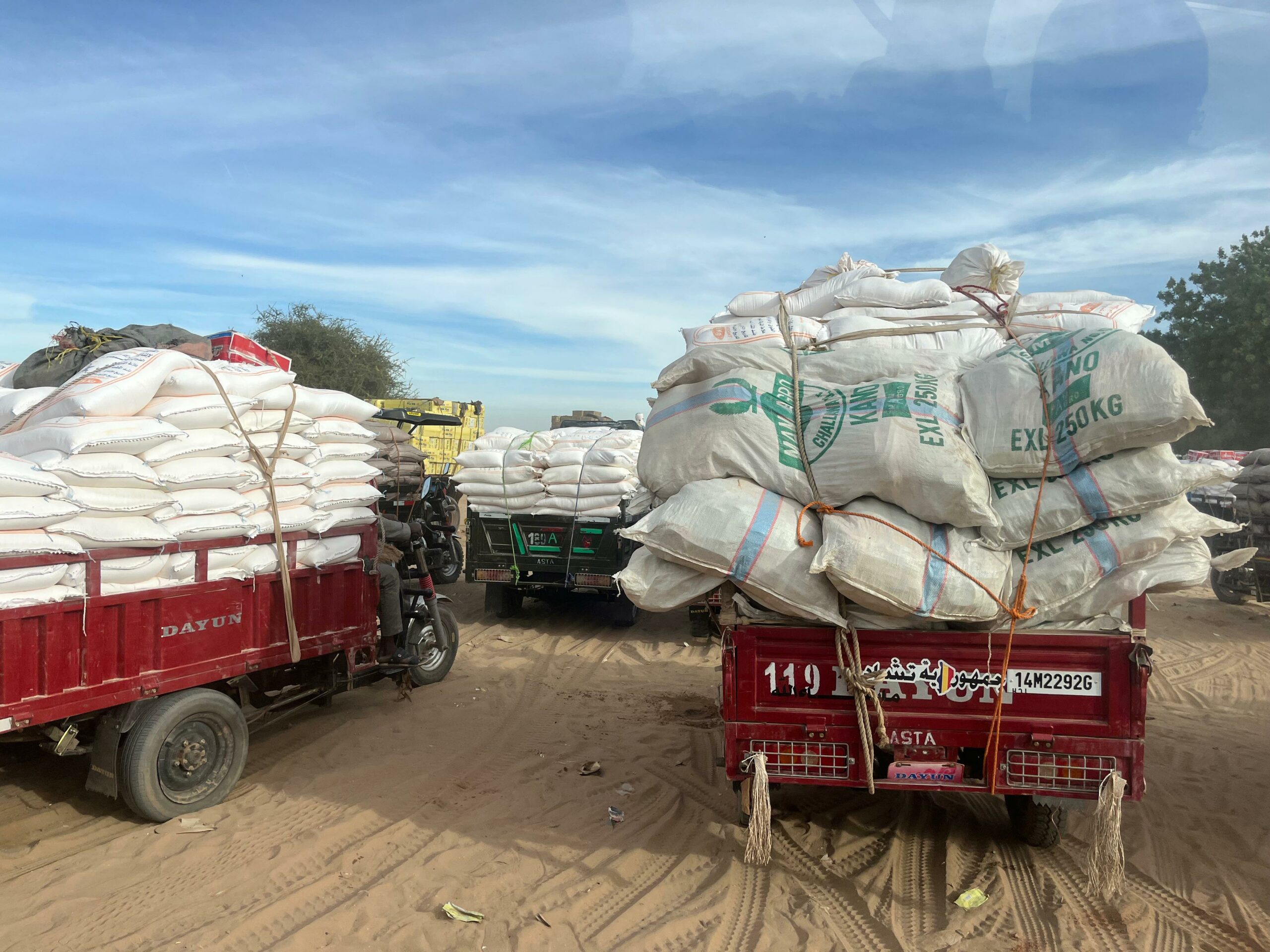
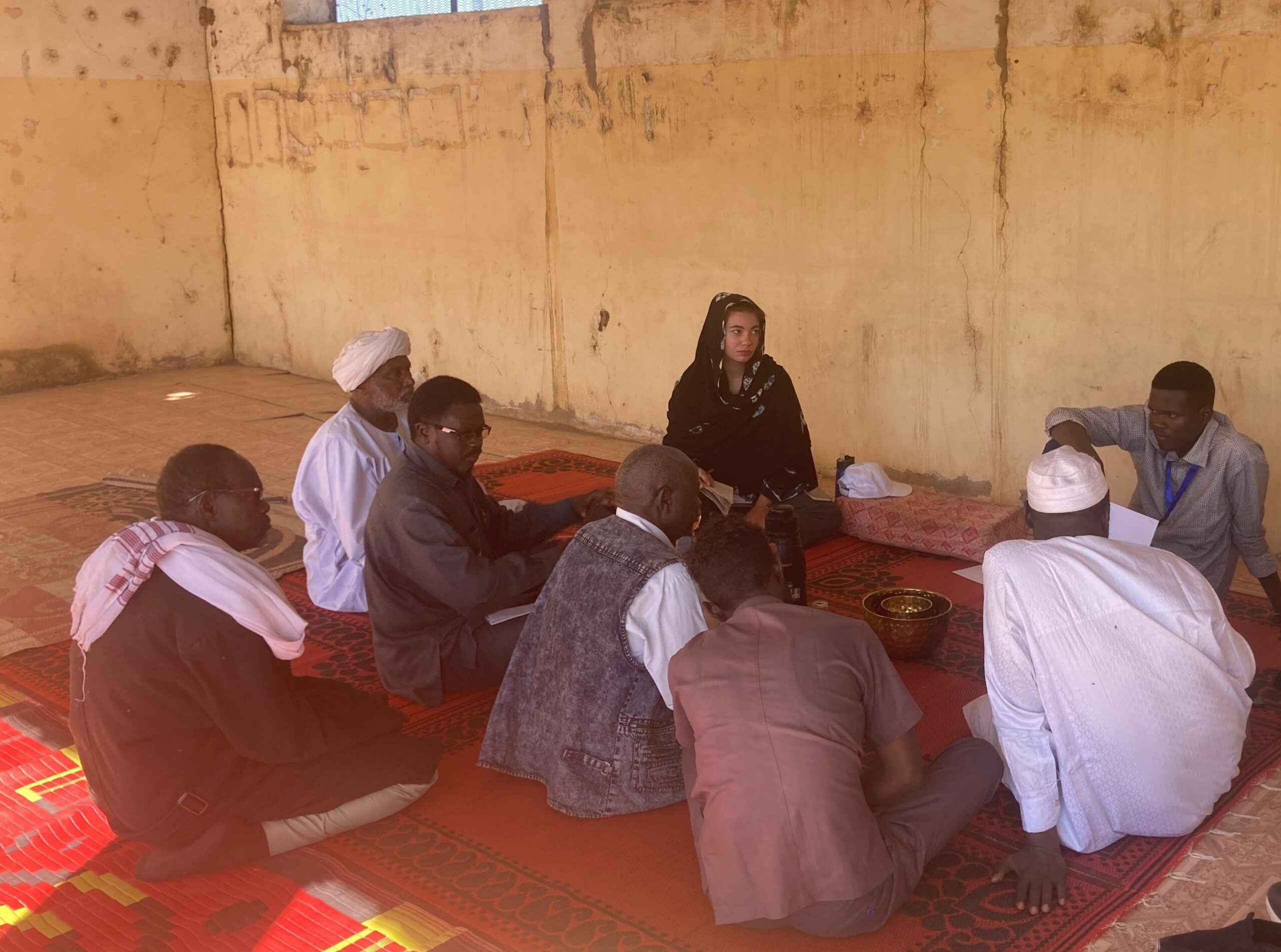
All pictures displayed on this page illustrate the interventions in other countries. Pictures of our activities in Darfur will be added once the emergency response is launched.